


Reality First — The Moment I Started Noticing boAt
The boAt marketing strategy case study emerged from observing the brand’s sudden visibility in everyday life, with people using boAt earphones in various settings like trains, gyms, and offices. Despite the presence of established audio brands like Sony and JBL with superior technology, boAt experienced rapid growth, prompting curiosity about what differentiated their approach and led to their success in a competitive market.


What Most Articles Say About boAt (SERP & AI Overview Observation)
When I searched boAt marketing strategy case study, most articles explain the same things. They usually say boAt succeeded because of:
- influencer marketing
- affordable pricing
- celebrity endorsements
- strong presence on Amazon and Flipkart
- youth-focused branding
All of that is true. But while reading those explanations, something felt incomplete. Because many companies use influencers. Many companies sell affordable products. Still they don’t become a category leader. So I started thinking deeper. Maybe the real reason behind boAt’s growth is not just marketing tactics. Maybe it’s something more psychological.
My First Observation — boAt Is Not Selling Earphones
The first thing I noticed while studying boAt was this. boAt never really positioned itself as a technical audio company. Most audio brands talk about things like:
- sound drivers
- acoustic engineering
- sound frequency
- premium sound quality
But boAt marketing rarely focuses on those things. Instead they talk about:
- attitude
- music
- lifestyle
- youth culture
And something interesting they did was calling their customers “boAtheads.” Now the thing is, that single word changes everything. Because the moment someone calls themselves a boAthead, they are no longer just a customer. They feel like part of a community. And community is a very powerful marketing tool.
My Second Observation — The Brand Grew Where Youth Already Was
Another thing I noticed is where boAt focused its attention. Instead of depending heavily on TV advertisements, boAt focused on places where young people already spend time. Like:
- YouTube tech reviewers
- Instagram influencers
- gaming creators
- lifestyle content creators
Gradually the brand kept appearing in front of the same audience again and again. So people started recognizing it naturally. And recognition is the first step of brand building.
My Third Observation — Pricing Was a Strategic Decision
Now the thing is, pricing in India matters a lot. Premium audio brands often sell products between ₹6000 to ₹15000. According to market reports from Statista, the demand for affordable wireless audio devices in India has grown rapidly over the last few years, which created the perfect opportunity for brands like boAt. boAt products usually stay around ₹999 to ₹3999. That price range is extremely important for the Indian market. Because it targets:
- students
- young professionals
- first-time gadget buyers
So boAt positioned itself perfectly between cheap products and premium brands. Affordable… but still stylish. That combination works very well in India.
My Fourth Observation — E-commerce Became Their Growth Engine
boAt also focused strongly on online platforms like Amazon and Flipkart. That strategy gave them several advantages. First, it reduced distribution cost. Second, online reviews created trust. When thousands of people leave positive reviews, new buyers automatically feel more confident. Over time many boAt products started appearing in Amazon bestseller lists. And once a product reaches that level, sales start increasing almost automatically.
Celebrity Marketing Amplified the Brand

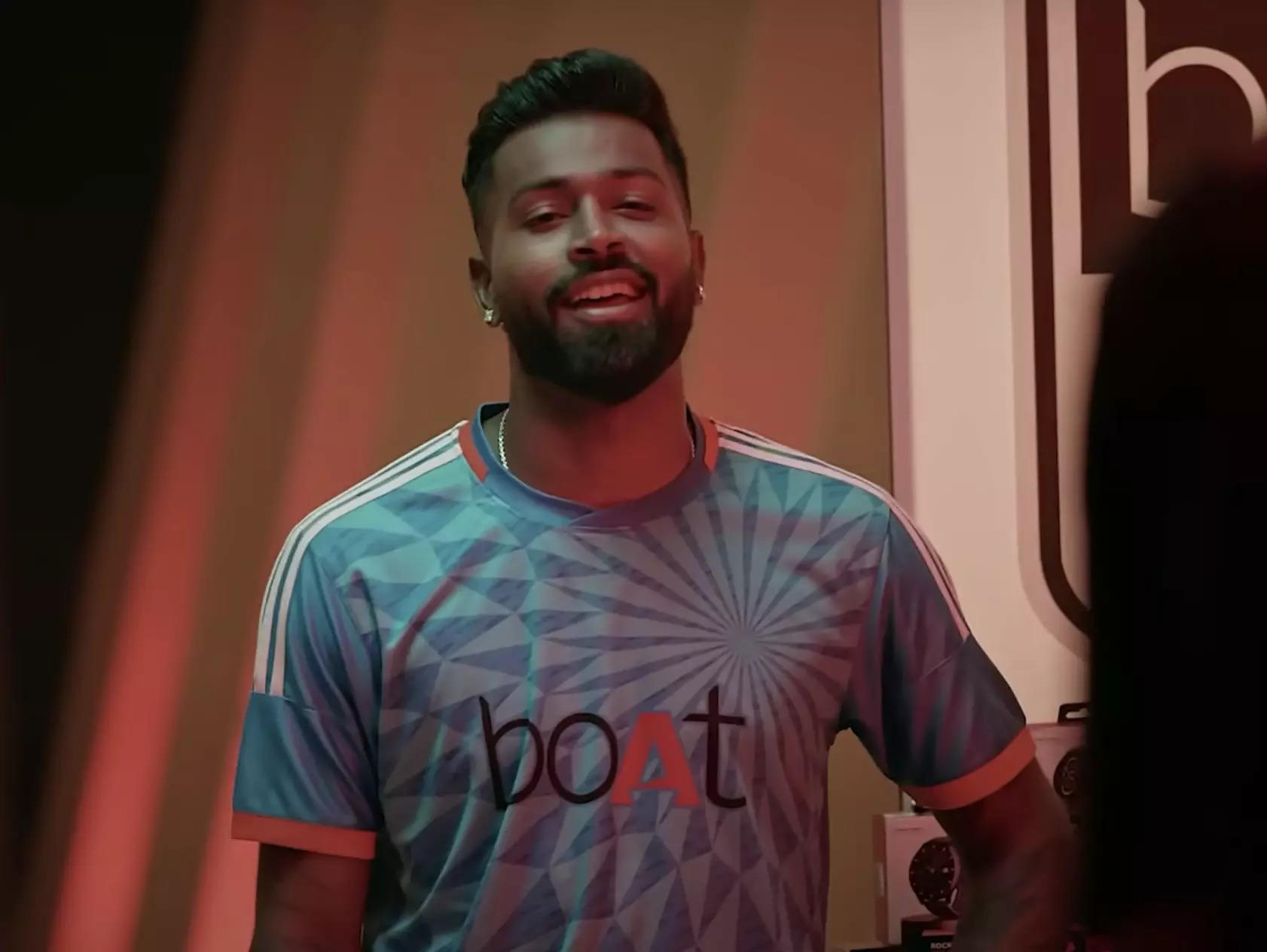


After building strong online visibility, boAt expanded its brand presence through celebrity endorsements. According to a report published by Business Standard, boAt quickly became one of the leading wearable and audio brands in India after focusing on youth lifestyle branding and online distribution. For example:
- Hardik Pandya
- Kiara Advani
Now the thing is, influencers helped boAt become visible. But celebrities helped the brand become aspirational. When a famous personality uses a product, people subconsciously feel it must be good.
The Biggest Lesson I Took From This Case Study
After studying this entire strategy, one thought kept repeating in my mind. boAt didn’t win because of the best technology. It won because it created the strongest emotional connection with young consumers. That is the real marketing insight. Most companies focus on product features. But boAt focused on how the product makes people feel. And feelings often drive buying decisions more than specifications.
What This Case Study Made Me Think About Peplio
While reading this boAt marketing strategy case study, I couldn’t stop thinking about something related to Peplio.
Right now Peplio is still growing as a platform where I share marketing observations, experiments, and tools for digital growth. If you want to know the idea behind this project, you can read more on the About Peplio page. It has tools. It has articles. It has experiments. But if I apply the boAt lesson here, one thing becomes clear. Tools alone cannot build a memorable brand. Peplio also needs identity and recognition. Something that people remember easily. Just like when someone thinks about affordable stylish earphones in India, boAt immediately comes to mind.
My Personal Marketing Takeaway
After studying this case study, my understanding of marketing changed slightly. Marketing is not only about:
- SEO
- ads
- content
Those things matter. But tools and practical resources still play a big role in helping marketers grow online. For example, I have also shared a list of free SEO tools that can help improve website visibility. When people remember your brand naturally, marketing becomes much easier. boAt managed to create that memory. And that is why the brand grew so fast.
What I Want to Experiment With Next on Peplio
This case study made me rethink something about Peplio. Instead of focusing only on publishing articles, I want to slowly make Peplio a daily-use platform. Something people actually use. That means experimenting more with:
- simple digital marketing tools
- practical utilities
- problem-solving resources
If people start using Peplio tools regularly, the brand can slowly become part of their workflow. And when that happens, recognition starts building naturally.
Questions I Thought About While Studying This boAt Marketing Strategy Case Study
Why did boAt become so popular in India?
Because the brand positioned itself as a stylish and affordable lifestyle brand for young consumers.
Did influencer marketing play a big role in boAt’s growth?
Yes. Influencer marketing helped boAt reach millions of young users through YouTube and social media platforms.
Is pricing an important factor in boAt’s success?
Absolutely. boAt targeted a price range that is attractive for students and young professionals.
What is the biggest marketing lesson from boAt?
The biggest lesson is that brands grow faster when they create emotional identity, not just technical products.
Final Thought
Studying the boAt marketing strategy case study made me realize something simple. Sometimes the most powerful marketing strategy is not technology. It is understanding people better than competitors do. boAt understood Indian youth culture. And that single insight helped the brand become one of the most recognizable audio brands in the country. Now the interesting question for me is this: How can I apply that same thinking to build Peplio into something memorable?