Gymshark Influencer Marketing Case Study: 5 Data-Driven Growth Lessons
Gymshark influencer marketing case study — when I started studying this brand’s early growth, one thing became clear: they shouldn’t have won.
In 2012, they were a small UK startup competing against Nike and Adidas with no retail presence, no celebrity endorsements, and no massive ad budget.
The Uncomfortable Starting Point
When I started studying Gymshark’s early growth, one thing became clear:
They shouldn’t have won.
In 2012:
-
Nike dominated distribution.
-
Adidas dominated sponsorships.
-
Big brands controlled retail shelves.
-
E-commerce trust was still growing.
And here comes a small UK startup selling gym clothes online.
No retail presence. No celebrity endorsements. No TV ads. No massive funding.
If they tried to compete using traditional marketing, they would’ve disappeared.
So they didn’t compete traditionally.
According to Forbes, Gymshark’s rapid rise from a startup to a multi-billion-dollar fitness brand has been widely documented, highlighting how unconventional marketing played a major role.
Peplio Reality Check
Expected:
Spend heavily on ads and chase retail partnerships.
Happened:
Build brand through fitness influencers on Instagram and YouTube.
Surprised:
Micro-influencers created deeper brand loyalty than expensive celebrity campaigns.
This Gymshark influencer marketing case study is not about hype. It’s about understanding the strategic layers that made the model work.
What Most People Think Gymshark Did
People simplify it like this:
“They used influencers. It went viral. Done.”
That explanation is lazy.
Influencer marketing alone doesn’t create a billion-dollar brand.
Thousands of brands used influencers and disappeared.
So what actually worked?

Strategic Layer 1: Timing Advantage
Gymshark entered Instagram during its organic growth era (2012–2014).
At that time:
-
Organic reach was high.
-
Content wasn’t saturated.
-
Fitness culture was exploding.
-
Algorithms were not heavily pay-to-play.
This gave them distribution leverage without paid ads.
Today, that window is smaller.
Timing was not luck. It was awareness.

Strategic Layer 2: Micro-Influencers, Not Celebrities
Instead of paying one massive fitness star, Gymshark partnered with multiple smaller creators.
Why this mattered:
-
Higher engagement rates
-
Stronger audience trust
-
Lower acquisition cost
-
More authentic integration
These influencers weren’t “ads.”
They were part of the brand’s identity.
Gymshark didn’t rent attention. They built relationships.
If you want to understand how relationship-driven marketing builds real authority instead of temporary spikes, I’ve explained this deeply in my social media growth strategy case study.
Strategic Layer 3: Influencers as Ambassadors
This is where most brands fail.
Typical influencer strategy: One post. Paid. Campaign ends.
Gymshark strategy: Long-term partnerships. Event appearances. Community building. Discount codes. Recurrent content.
They turned influencers into brand ambassadors.
That changes perception.
Instead of “sponsored product,” it becomes: “This is what I wear.”
That psychological shift matters.
Strategic Layer 4: Identity Marketing
Gymshark didn’t sell leggings.
They sold transformation.
Their messaging focused on:
-
Fitness lifestyle
-
Body transformation
-
Discipline
-
Community belonging
When a follower saw an influencer wearing Gymshark, they weren’t just seeing fabric.
They were seeing identity.
That’s emotional positioning.
And emotional positioning increases lifetime value.

Strategic Layer 5: Offline Amplification
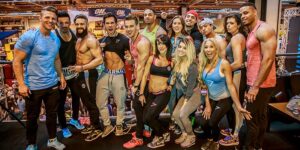
Gymshark attended fitness expos and brought influencers to physical booths.
This did two things:
-
Created real-world hype.
-
Generated online content from those events.
Offline events became digital fuel.
That hybrid strategy multiplied impact.
🧪 Peplio Experiment Breakdown
Let me translate this into practical thinking.
🧪 Peplio Experiment #1
Goal: Build awareness without paid ads
Action (Gymshark): Gift products to micro fitness influencers
Result: Organic exposure + social proof
Modern Risk: Influencer saturation today reduces organic reach
Adaptation: Focus on nano-creators with strong niche communities
🧪 Peplio Experiment #2
Goal: Measure influencer ROI
Action: Unique discount codes per influencer
Result: Trackable sales attribution
Lesson: Influencer marketing must be measurable
Without tracking, influencer marketing becomes vanity marketing.
According to Influencer Marketing Hub’s benchmark reports, campaigns that use trackable links or discount codes consistently outperform generic brand-awareness collaborations.
🧪 Peplio Experiment #3
Goal: Strengthen community loyalty
Action: Event-based meetups + ambassador presence
Result: Emotional brand bonding
This wasn’t just sales. It was movement building.
Why This Worked Then (But Is Harder Now)
Let’s be honest.
If you try to copy Gymshark’s 2013 strategy in 2026, it won’t work the same way.
Why?
-
Influencer market saturation.
-
Paid reach dominance.
-
Audience skepticism toward sponsorships.
-
Algorithm dependency.
Gymshark benefited from early adoption advantage.
That advantage doesn’t exist forever.
What This Case Study Will NOT Do
-
It will not tell you to “just use influencers.”
-
It will not ignore timing advantage.
-
It will not pretend micro-influencers guarantee success.
-
It will not oversimplify execution complexity.
Strategy worked because of ecosystem thinking, not a single tactic.
If I Were Launching a Fitness Brand Today
Here’s what I would actually test:
-
Nano-influencer partnerships in hyper-niches.
-
Long-term ambassador contracts, not one-time deals.
-
UGC-driven storytelling instead of polished ads.
-
Community platform (Discord/WhatsApp) for retention.
-
Hybrid digital + offline events for content loops.
Not replication. Adaptation.
What makes this Gymshark influencer marketing case study important is not influencer marketing itself, but the ecosystem thinking behind it.
Final Insight
Studying Gymshark changed how I view influencer marketing.
It’s not about influencers.
It’s about:
-
Timing
-
Identity positioning
-
Relationship building
-
Community ownership
-
Distribution leverage
Influencers were the vehicle.
Community was the engine.
If I’m applying this learning to Peplio, the next thing I’d test is structured micro-collaborations with niche creators instead of chasing broad visibility.
Because growth isn’t about being seen by everyone.
It’s about being trusted by the right people.