


When I first started analyzing how much energy does AI use per day, I assumed it would be a small, manageable number—something comparable to traditional cloud applications or maybe slightly higher due to increased processing. But the deeper I went, the more uncomfortable the reality became. This is not just about technology anymore. This is about infrastructure pressure, rising costs for US business owners, and a silent shift in how digital systems consume electricity at scale.
Right now, thousands of small businesses across the United States—from a bakery in Texas to an eCommerce LLC in California—are using AI tools daily to get customers online, optimize marketing campaigns, and automate customer service. It feels efficient. It feels cheap. But behind every AI response, every generated image, and every automated workflow, there is a growing demand for electricity. And that brings us back to the real question: how much energy does AI use per day when millions of users are interacting with these systems simultaneously? This is not theory. This is a Peplio-style breakdown based on actual usage patterns, infrastructure logic, and real-world implications. No fluff. Just clarity.
Peplio Reality Check
Expected: AI tools feel lightweight, so daily energy usage must be minimal. Happened: how much energy does AI use per day is far higher due to constant processing, training, and infrastructure load. Surprised: Even small daily usage across businesses adds up to massive electricity used by AI per day worldwide.
Problem: AI is consuming massive electricity daily
Let’s address the real issue directly. The question how much energy does AI use per day exists because AI systems are not passive tools. They are active computational engines running continuously across global data centers. Every prompt, every API call, every generated output requires processing power. And when you multiply that by millions of users, the total energy consumption of AI globally per day becomes massive.
The core reason behind this lies in the daily power usage of AI models. Unlike traditional systems that retrieve stored data, AI models generate responses in real time using billions of parameters. This requires heavy GPU usage, continuous data transfer, and constant infrastructure support. The more advanced the model, the higher the electricity demand. For example, when a business owner uses AI to generate 50 product descriptions daily, they are not just “using a tool.” They are triggering multiple backend processes that contribute to AI data center daily energy consumption. Multiply this behavior across thousands of businesses, and suddenly, the scale becomes enormous.
Explanation: How data centers work and consume daily energy
To fully understand how much energy does AI use per day, you need to understand how data centers operate. Most people imagine a simple server setup, but the reality is far more complex. Data centers are massive facilities filled with high-performance servers, GPUs, storage systems, and cooling infrastructure, all running 24/7 without interruption. The AI data center daily energy consumption is driven by three major components: computational load, cooling systems, and data transfer. Each of these components contributes significantly to the total electricity usage.
Compute Power
AI models rely heavily on GPUs, which consume significantly more electricity than traditional CPUs. These GPUs perform parallel computations required for AI processing, directly increasing the daily power usage of AI models. Research from AI energy consumption studies highlights how large-scale models require enormous computational resources even for simple queries.
Cooling Systems
Cooling is a major contributor to AI data center daily energy consumption. Servers generate heat continuously, and without proper cooling, systems would fail within minutes. Advanced cooling systems—liquid cooling, air circulation, and temperature regulation—consume large amounts of electricity daily.
Data Storage and Transfer
AI models constantly access and process massive datasets. This requires continuous data movement across networks, contributing further to electricity used by AI per day worldwide. According to US Department of Energy, data centers are among the fastest-growing electricity consumers globally.
Example: Real-world AI usage and daily energy impact
Now let’s move from theory to reality. When people ask how much energy does AI use per day, they often ignore how frequently they use AI tools. A single marketing team might generate dozens of AI responses daily, create images, automate emails, and analyze data—all powered by AI systems.


Take a small business in Florida running local SEO USA campaigns. They might use AI for blog writing, ad copy, and customer responses. Each action contributes to how much energy AI consumes per query per day. Individually, it seems small. Collectively, it’s massive. If you want a deeper understanding of per-query impact, check this internal breakdown: how much energy AI consumes per query. Similarly, this comparison explains whether AI is more energy-intensive than search engines: AI vs Google search energy usage. Even daily usage patterns vary depending on scale, as explored here: AI energy consumption per 1000 queries.
Impact: Cost, environment, and business implications
The answer to how much energy does AI use per day is not just technical—it has real business implications. Increased AI data center daily energy consumption leads to higher cloud costs, which eventually affect pricing for SaaS tools, APIs, and AI platforms. For US business owners managing marketing budgets, this means rising costs over time. The electricity used by AI per day worldwide is directly linked to pricing models. As demand increases, providers may adjust pricing to cover infrastructure costs.

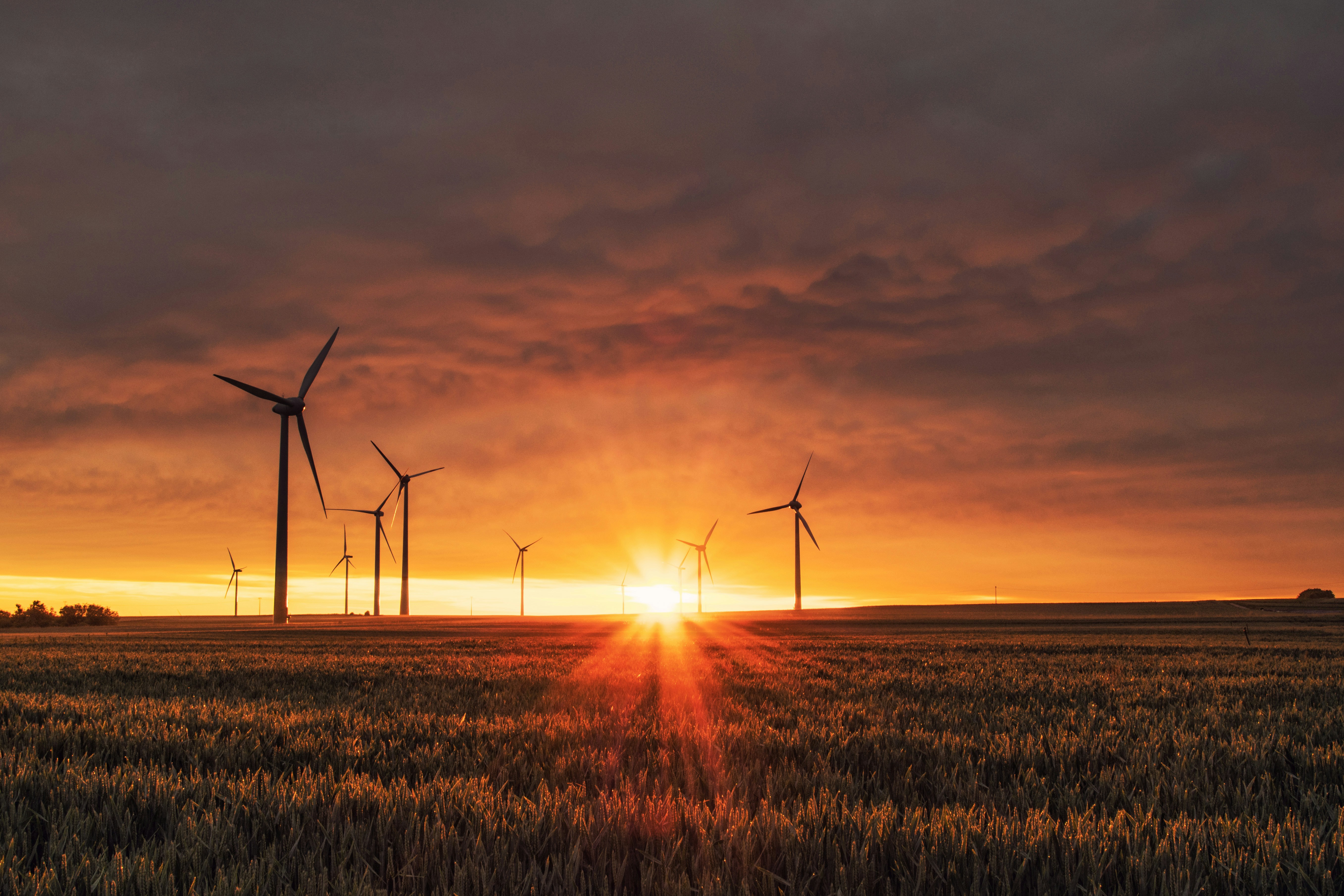
Beyond cost, there’s also the environmental angle. The growing total energy consumption of AI globally per day contributes to carbon emissions. Research published in AI carbon footprint study highlights how large AI models impact global emissions. If you want a broader environmental perspective, this article explains it well: how AI is bad for the environment.
Future: What’s next for daily AI energy demand
The future of how much energy does AI use per day is not slowing down. In fact, it’s accelerating. The total energy consumption of AI globally per day is expected to rise as more businesses adopt AI-driven workflows. According to the International Energy Agency report, global electricity demand is increasing due to data center expansion and AI adoption. Tech companies are investing in renewable energy solutions, but the gap between demand and optimization is still growing. The electricity used by AI per day worldwide will continue to increase unless efficiency improvements catch up.
Energy-efficient AI models
Developers are working on smaller, optimized models that reduce daily power usage of AI models while maintaining performance.
Green infrastructure
More data centers powered by renewable energy will help reduce the environmental impact of AI data center daily energy consumption.
Transparency and regulation
Governments may require companies to disclose AI electricity usage statistics, especially as energy demand continues to rise.
What this article will NOT do
This article will not tell you to stop using AI. That’s unrealistic. AI is already part of how US businesses get customers online and scale operations. Instead, this article helps you understand how much energy does AI use per day so you can make smarter decisions.
If you’re a business owner using AI today
If you’re running an LLC, managing marketing campaigns, and using AI daily, you’re part of this ecosystem. Understanding how much energy does AI use per day helps you optimize usage, reduce unnecessary costs, and make better strategic decisions.
Final direction
Right now, I’m testing ways to reduce unnecessary AI usage while maintaining output quality. The goal is simple: better results with lower energy consumption. Because the future of AI isn’t just about intelligence—it’s about efficiency.