Is SEO Important? A Real Answer From Someone Who’s Doing It
Let me be honest with you from the start.
If you had asked me “is SEO important?” a few years ago, I would’ve said, “Maybe… but it looks slow.”
If you want a deeper breakdown with real examples, this guide explains in detail why SEO is important for long-term visibility and growth.
Back then, I was more excited about instant things—social media posts, boosted ads, quick likes, quick leads. SEO felt boring. No dopamine. No instant result. Just silent work.
But today?
After doing SEO daily, failing with it, fixing it, watching pages rank at 2 a.m. while I was sleeping—my answer is very clear.
Yes. SEO is important.
Not in a motivational way. In a survival way.
And I’m not writing this as a textbook guy. I’m writing this as someone from Bengal who has actually sat with chai beside the laptop, refreshed Google Search Console like a madman, and waited weeks just to see one keyword move from page 5 to page 2.
This article is for you if:
-
You’re confused whether SEO is still worth it
-
You think AI or ads have killed SEO
-
You run a small business, blog, or service website
-
You want traffic that doesn’t disappear when money stops
So let’s talk properly. No gyaan. No fancy English. Just real talk.
What SEO Actually Means (In Simple Words)
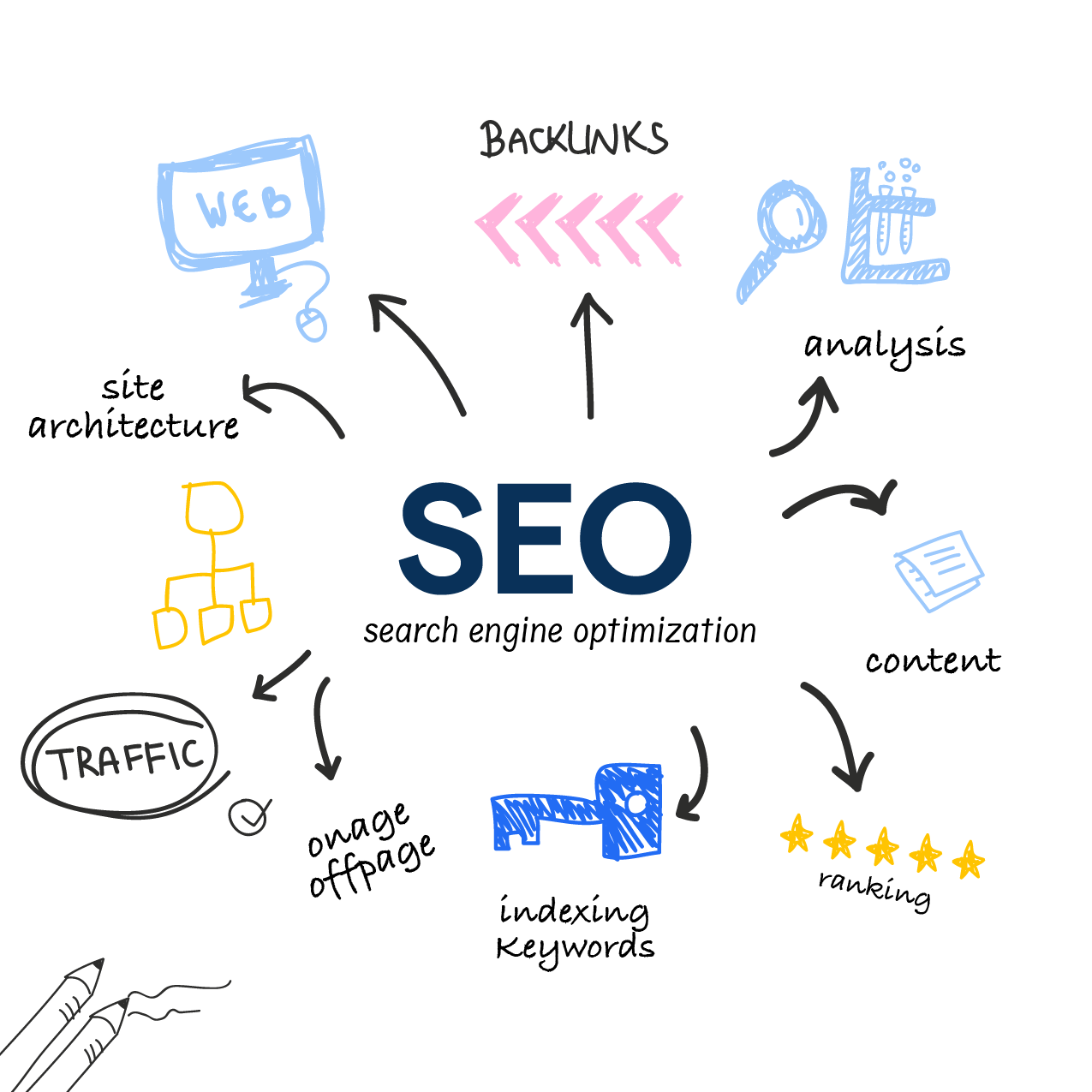
SEO stands for Search Engine Optimization.
But don’t get stuck on the definition.
SEO simply means this:
Making your content easy for Google to understand and useful for humans to trust.
That’s it.
When someone types a question into Google—
“is seo important”,
“how to get traffic”,
“best digital marketing strategy”—
Google doesn’t randomly show results. It chooses pages that:
-
Answer the question clearly
-
Look trustworthy
-
Load fast
-
Are structured properly
-
Help users, not trick them
SEO is the process of earning that position, not buying it.
And yes, Google is still the king here.
(We’ll talk about AI later—don’t worry.)
Is SEO Important in 2026 and Beyond?
Short answer: More than ever.
Long answer:
Everything noisy is becoming expensive.
-
Ads? Getting costlier every year
-
Social media? Reach goes up and down like share market
-
Influencers? One algorithm change and boom—gone
But SEO?
SEO is slow, yes.
But once it clicks, it’s like owning land instead of renting a shop.
I’ve seen pages written months ago suddenly start getting traffic daily. No ads. No reposting. Just steady visitors from Google.
That’s why is SEO important is not even the right question anymore.
The real question is:
How long can you survive without SEO?
Why SEO Matters for Normal People (Not Big Brands)
Let’s forget Amazon, Flipkart, Zomato for a minute.
Let’s talk about you.
You might be:
-
A blogger
-
A freelancer
-
A local business owner
-
A startup founder
-
Someone building a side project
You don’t have unlimited money for ads.
You can’t burn cash every month.
SEO gives you something powerful:
visibility without daily spending.
One well-written page can:
-
Bring traffic for years
-
Build trust automatically
-
Educate users before they contact you
-
Reduce dependency on paid ads
That’s why the importance of SEO is highest for small players, not big companies.
My Personal Turning Point With SEO
I still remember this clearly.
One of my early blog posts wasn’t getting any traffic. Zero. Nothing. I almost deleted it.
Instead, I:
-
Fixed the heading
-
Added clear subheadings
-
Answered questions properly
-
Improved page speed
-
Used the focus keyword naturally
After a few weeks, that page started ranking for a long-tail query.
Not page 1. Page 2.
But even from page 2, traffic started coming. Slowly. Steadily.
That day I understood:
SEO is not magic.
SEO is compound interest.
And compound interest always looks boring at the start.
SEO vs Ads vs Social Media (Reality Check)
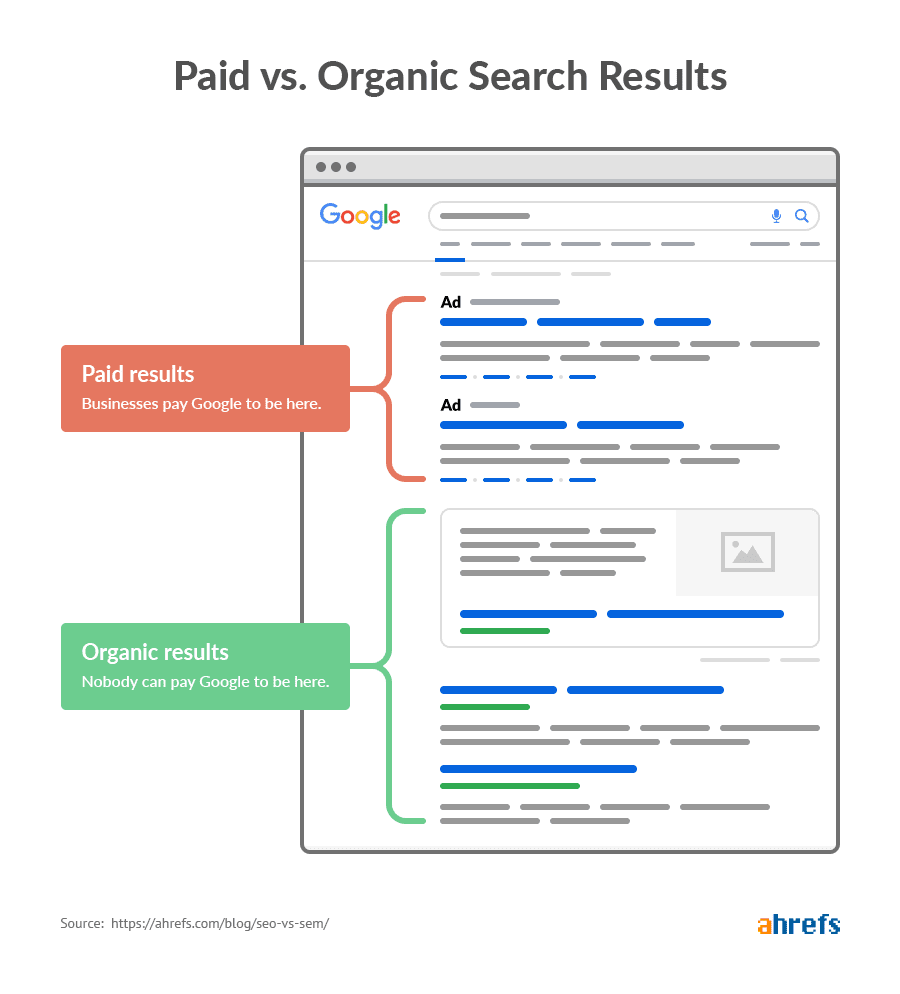
Let’s compare honestly.
Ads
-
Instant traffic
-
Stops when money stops
-
High competition
-
Low trust
Social Media
-
Good for branding
-
Algorithm dependent
-
Content lifespan is short
-
Needs constant posting
SEO
-
Slow start
-
Builds trust
-
Long-term traffic
-
Works even when you’re offline
That’s why asking “is SEO important?” is like asking:
Is owning a house important, or should I keep renting forever?
Both have value.
But only one gives long-term peace.
SEO in the Age of AI – Is It Still Relevant?
This is the question everyone is scared to ask properly.
AI tools can:
-
Write content fast
-
Summarize answers
-
Generate ideas
So does that mean SEO is dead?
No.
In fact, SEO is becoming more human-centric.
Google now cares about:
-
Experience
-
Original insights
-
Real examples
-
Clarity
-
Trust
AI can help you write.
But it can’t replace your experience.
That’s why writing in your own voice matters.
That’s why local tone works.
That’s why generic content is dying.
SEO is not dying.
Lazy SEO is dying.
How Google Decides Whom to Rank
Google itself clearly explains how search works in its official Google Search Central documentation, which helps creators understand what actually matters for rankings.
Google doesn’t hate you.
Google just hates confusion.
It wants:
-
Clear answers
-
Structured content
-
Helpful pages
-
Honest intent
Tools like Google Search Console and Google Analytics literally show you what Google sees.
When your page:
-
Solves one main problem
-
Uses the focus keyword naturally
-
Covers related questions
-
Loads fast
-
Is easy to read
Google has no reason to ignore you.
That’s why why SEO matters is not about tricks.
It’s about alignment.
Organic Traffic = The Cleanest Traffic

Paid traffic comes with pressure.
Organic traffic comes with patience.
But organic traffic:
-
Trusts you more
-
Converts better
-
Reads more pages
-
Stays longer
When someone searches something on Google, they already have intent.
SEO simply places you in front of that intent.
That’s powerful.
SEO Is Not a One-Time Job
One mistake people make is thinking:
“I’ll do SEO once.”
Nope.
SEO is like health.
You don’t go to the gym once and expect lifelong fitness.
You:
-
Update content
-
Improve structure
-
Add better explanations
-
Fix technical issues
Slow work.
Silent work.
But meaningful work.
Who Should Absolutely Care About SEO?
If you belong to any of these, SEO is not optional:
-
Bloggers who want AdSense or affiliate income
-
Businesses that can’t run ads forever
-
Freelancers who want inbound leads
-
Educators selling courses
-
Startups building authority
For them, asking is SEO important is already late.
SEO Builds Authority Before It Builds Money

Here’s a truth I learned late.
Money comes after authority.
Traffic comes after trust.
SEO forces you to:
-
Explain things clearly
-
Answer real questions
-
Stick to one topic properly
-
Improve instead of chasing trends
Slowly, Google starts seeing you as:
“This site knows what it’s talking about.”
That’s authority.
And once authority kicks in, even average content starts ranking easier.
That’s one of the biggest SEO benefits for small businesses and creators like us.
Why SEO Matters More Than Motivation
Motivation is unreliable.
Algorithms are unpredictable.
But search intent is steady.
People will always search:
-
How to solve a problem
-
How to learn a skill
-
How to buy something safely
That’s why why SEO matters has nothing to do with trends.
As long as people type questions into Google, SEO has a job.
Platforms change.
Search behaviour doesn’t.
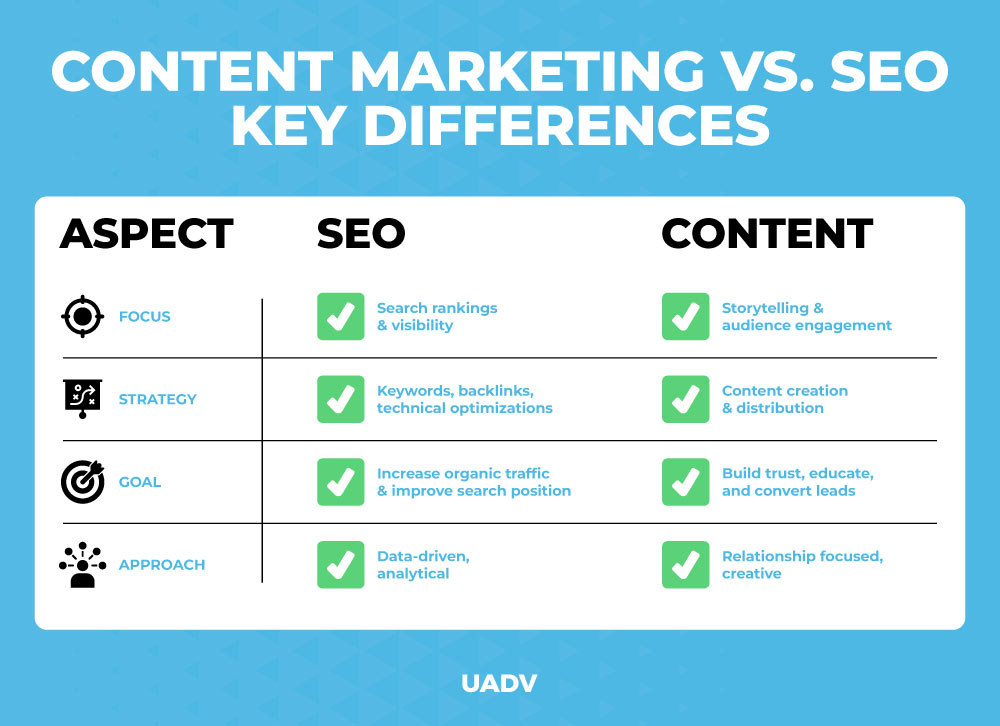
SEO Trains You to Think Clearly
This one surprised me.
When you write for SEO properly, you stop writing random stuff.
You start thinking:
-
What exactly is the user confused about?
-
What should they know first?
-
What should come next?
-
What would I Google if I were them?
That thinking spills into:
-
Better landing pages
-
Better sales copy
-
Better service explanations
SEO sharpens your communication skills.
Not many people say this, but it’s true.
Organic Traffic vs “Borrowed” Traffic
Let me explain this simply.
Traffic from:
-
Instagram
-
Facebook
-
Ads
-
Viral posts
That’s borrowed traffic.
You don’t own it.
You rent it.
Organic traffic from Google?
That’s earned traffic.
Once your page ranks, it keeps working even if:
-
You’re sick
-
You’re busy
-
You don’t post for a few days
That’s why organic traffic from Google feels calm, not stressful.
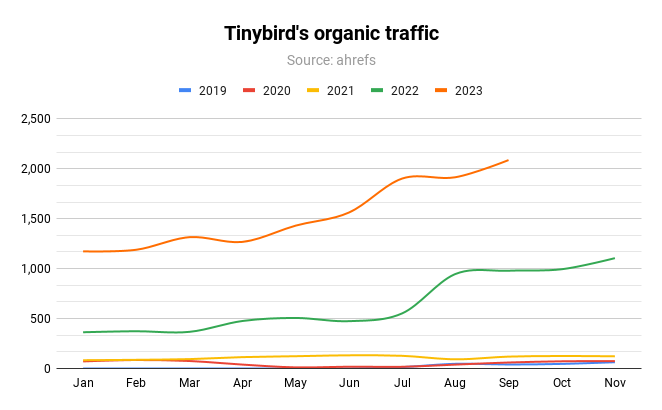
The SEO Snowball Effect (Very Real)
SEO doesn’t grow linearly.
It grows in jumps.
Month 1–3: Nothing happens
Month 4–6: Some clicks
Month 7–9: Multiple pages rank
Month 10+: Google trusts you
Suddenly:
-
New posts rank faster
-
Old posts revive
-
Internal links start helping
-
Authority compounds
That’s the long-term SEO strategy nobody is patient enough for.
SEO Is Boring Because It’s Honest
Let’s say it straight.
SEO feels boring because:
-
No fake hype
-
No instant results
-
No shortcuts
But boring things often last longer.
SEO doesn’t reward:
-
Noise
-
Tricks
-
Copy-paste content
It rewards:
-
Clarity
-
Consistency
-
Experience
That’s why SEO is uncomfortable for people who want shortcuts.
Small Websites Can Still Win With SEO

You don’t need:
-
Thousands of backlinks
-
A big team
-
A fancy brand
You need:
-
One clear topic
-
Real answers
-
Proper structure
-
Patience
I’ve seen tiny sites outrank big brands simply because they answered better.
Google doesn’t have emotions.
It has signals.
And good SEO sends clean signals.
Tools Don’t Do SEO — You Do

People ask:
“Which SEO tool is best?”
Tools help, yes.
But they don’t think.
Whether it’s Google Search Console or keyword tools, they only show data.
You still have to decide:
-
What to write
-
How to explain
-
What to prioritize
That human decision-making is why SEO still needs people.
Why Most People Quit SEO Too Early
This is important.
People quit SEO because:
-
No instant validation
-
No likes or comments
-
No daily excitement
SEO progress is silent.
Your page might move from:
Position 38 → 29 → 21 → 14 → 9
Nobody claps.
But that’s real progress.
Those who stay patient win by default.
Is SEO Important for the Next 5–10 Years?
Let’s answer this honestly.
As long as:
-
Google exists
-
People search
-
Businesses want visibility
SEO will exist.
Even AI tools rely on:
-
Indexed pages
-
Trusted sources
-
Well-structured content
So if someone asks again, “is SEO important?”
The smarter question is:
Can you afford not to invest in SEO early?
Quick Reality Check (From Experience)
SEO will not:
-
Make you rich overnight
-
Replace hard work
-
Fix bad products
But SEO will:
-
Multiply good work
-
Protect you from platform shocks
-
Build digital assets slowly
That’s why SEO feels boring to beginners and powerful to veterans.
SEO Myth #1: Backlinks Are Everything
This one ruined years for many people.
Yes, backlinks matter.
But no, they are not magic.
I’ve seen pages with:
-
Zero backlinks
-
Average domain authority
-
Simple design
Outrank pages stacked with links.
Why?
Because Google now prioritizes:
-
Search intent match
-
Content depth
-
User experience
-
Clarity
Backlinks amplify good content.
They don’t fix bad content.
If your page doesn’t answer the question properly, no number of links will save it.
That’s a big reason people keep asking is SEO important but still don’t get results—they focus on the wrong layer.
SEO Myth #2: Publish Daily or You’ll Fail
This myth burns people out.
SEO doesn’t reward quantity.
It rewards usefulness.
One well-written page that fully answers a query can outperform:
-
10 thin posts
-
20 rewritten articles
-
50 AI-generated pages
Google wants fewer, better answers—not noise.
Consistency matters, yes.
But clarity matters more.
SEO Myth #3: SEO Is Only Technical Stuff
This is half-true, half-dangerous.
Technical SEO helps Google crawl.
But content helps Google trust.
You can have:
-
Perfect page speed
-
Clean schema
-
Proper indexing
And still not rank—because the content is empty.
Technical SEO is the foundation.
Content is the house.
Without a house, foundation means nothing.
My Biggest SEO Mistakes (Learn From These)
Let me be real with you.
Mistake 1: Writing for Google, Not Humans
Early on, I stuffed keywords everywhere.
The content sounded robotic.
Result?
Low engagement. No rankings.
Once I started writing like I explain things to a friend, rankings improved.
Mistake 2: Ignoring Search Intent
I wrote what I wanted, not what users needed.
SEO isn’t about your mood.
It’s about their question.
Mistake 3: Not Updating Old Content
Old pages are not dead pages.
Updating content gave me faster results than publishing new ones.
On-Page SEO vs Off-Page SEO (The Real Balance)

Let’s settle this properly.
On-Page SEO Controls:
-
Headings
-
Keyword placement
-
Internal links
-
Content depth
-
Readability
Off-Page SEO Controls:
-
Authority signals
-
Brand mentions
-
Trust
Most beginners run toward off-page SEO because it feels active.
But here’s the truth:
On-page SEO gets you indexed and ranked.
Off-page SEO accelerates growth later.
If your on-page SEO is weak, off-page SEO is wasted energy.
That’s why the importance of SEO starts inside your own website, not outside.
Content Quality Beats Backlinks (Now More Than Ever)
Google doesn’t need more content.
It needs better answers.
That’s why:
-
Experience-based writing works
-
Case-style explanations rank
-
Local tone feels authentic
This is where people like us win.
You don’t need to sound like a foreign blog.
You need to sound real.
Google can sense originality better than we think.
Tools Are Guides, Not Gods
SEO tools help, but they don’t decide.
I use tools like Rank Math to fix structure and Google Search Console to understand performance.
But rankings come from decisions, not dashboards.
Tools show problems.
You solve them.
Why SEO Feels Hard (But Isn’t)
SEO feels hard because:
-
Results are delayed
-
Feedback is indirect
-
Progress is silent
But the actual work?
-
Writing clearly
-
Structuring properly
-
Answering questions fully
That’s not hard.
That’s honest work.
SEO punishes laziness, not beginners.
If SEO Isn’t Working, Ask These Questions
Before blaming Google, ask:
-
Did I answer the query fully?
-
Is my page better than the top 10?
-
Is my structure clean?
-
Is my content readable?
If the answer is “no” anywhere—fix that first.
SEO rewards improvement, not excuses.
Why People Still Doubt SEO
Because SEO doesn’t shout.
Ads shout.
Social media dances.
SEO whispers.
But whispers last longer.
That’s why those who understand why SEO matters stop chasing hacks and start building assets.
Step 1: Start With One Real Question (Not a Keyword List)

Every good SEO page starts with one clear question.
In this article, that question is simple:
Is SEO important?
That’s it.
Not:
-
is seo important for business growth in 2026 with ai tools
-
importance of seo in digital marketing for beginners
No.
One main question.
Everything else supports it.
Google loves focus.
Confused pages confuse rankings.
Step 2: Answer the Question Immediately (Don’t Show Off)
One mistake I see everywhere is people delaying the answer.
They write:
-
History
-
Definitions
-
Stories
-
Philosophy
And only then answer the question.
Bad idea.
If someone searches is SEO important, they want clarity fast.
So early in the article, make it clear:
-
Yes, SEO is important
-
Why it matters
-
Who it helps
Once trust is built, then you can go deep.
Google tracks this behavior.
So do readers.
Step 3: Build the Page Like a Conversation
This is where most AI content fails—and humans win.
I structure SEO content like I’m explaining things to a friend:
-
One idea per section
-
Simple headings
-
Short paragraphs
-
No heavy jargon
If a sentence feels uncomfortable while reading aloud, I rewrite it.
SEO content must be readable, not impressive.
That’s why local tone works.
That’s why experience-based writing ranks.
Step 4: Use the Focus Keyword Naturally (No Force)
Your focus keyword is seo important should appear:
-
In the title
-
In the introduction
-
In a few subheadings
-
Naturally in the body
Not stuffed.
Not forced.
If it sounds weird, Google will feel it too.
I don’t count keyword density manually.
I write naturally, then check if the keyword appears logically.
SEO tools like Rank Math help confirm structure—not replace thinking.
Step 5: Add LSI Keywords Where They Fit Naturally
LSI keywords are not decorations.
They’re context signals.
For this topic, phrases like:
-
importance of SEO
-
why SEO matters
-
organic traffic from Google
-
long-term SEO strategy
fit naturally when you explain things deeply.
Don’t insert them like ingredients.
Let them flow from explanation.
Good content automatically becomes SEO-friendly.
Step 6: Internal Linking (Silent SEO Booster)

Internal links are underrated.
They:
-
Help Google understand your site
-
Pass authority
-
Improve user flow
When writing, I ask:
“Which related article would help the reader next?”
Then I link it naturally.
Not:
“Click here for SEO article.”
But:
“If you’re new, understanding on-page SEO basics will make this clearer.”
That’s how internal linking should feel.
Step 7: External Links for Trust (Not Ranking Tricks)
External links are not dangerous.
They’re healthy.
Linking to trusted platforms like Google documentation or official resources shows confidence.
It tells Google:
“This page isn’t scared to reference reliable sources.”
That improves trust, not leaks it.
Step 8: Update, Don’t Abandon
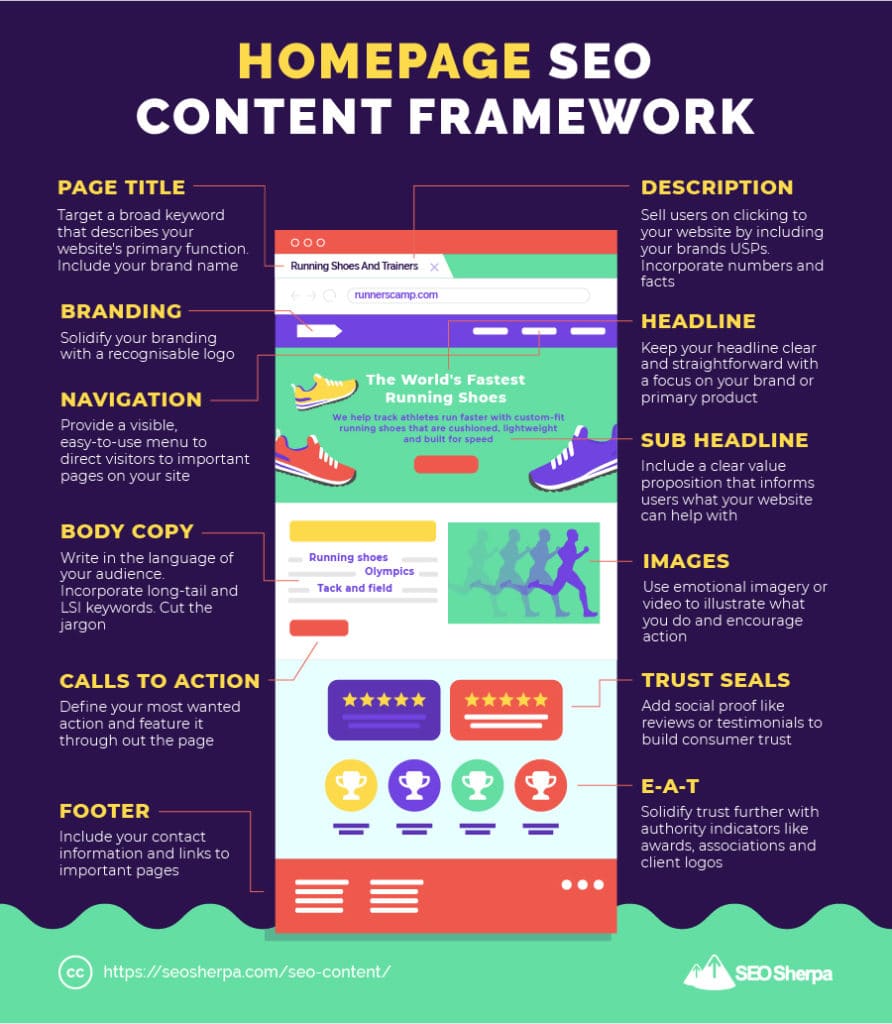
Here’s something most people don’t do.
After publishing, I revisit pages:
-
Improve explanations
-
Add missing sections
-
Update examples
-
Clarify confusing parts
Google loves freshness with value, not just dates.
Old content updated properly often ranks faster than new content.
SEO for Beginners: What to Ignore
If you want a solid foundation, this beginner’s guide to SEO explains the basics in a simple, easy-to-understand way.
If you’re starting out, ignore:
-
Fancy backlink strategies
-
SEO Twitter drama
-
Constant algorithm fear
Focus on:
-
Clear answers
-
Good structure
-
Honest explanations
SEO basics done right beat advanced tricks done wrong.
Why This Framework Works Long-Term
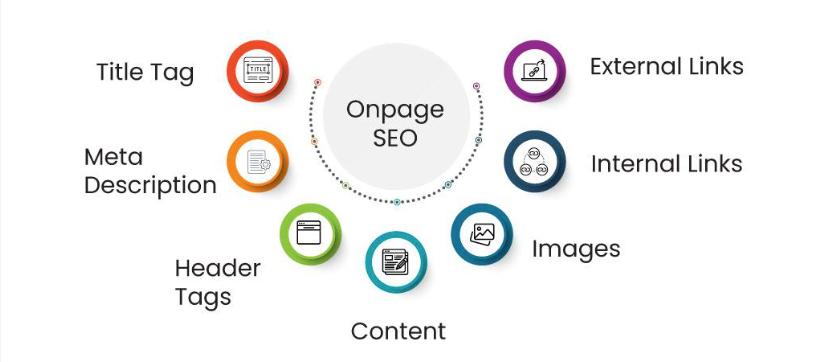
This approach works because:
-
It aligns with how humans read
-
It aligns with how Google evaluates usefulness
-
It doesn’t rely on hacks
As long as people ask questions, this structure will work.
That’s the real long-term SEO strategy.
Frequently Asked Questions About SEO (Real Ones)
1. Is SEO important for beginners with no budget?
Yes—especially for them.
When you don’t have money for ads, SEO becomes your strongest weapon. Time + consistency replaces cash. That’s why beginners who stick to SEO quietly outperform flashy spenders later.
2. How long does SEO take to show results?
From my experience:
-
2–3 months: indexing + small movement
-
4–6 months: first real traffic
-
6–12 months: compounding effect
SEO rewards patience, not urgency.
3. Is SEO still worth it after AI tools?
Absolutely.
AI can generate text.
But Google ranks trust, experience, and usefulness.
AI helps execution.
Humans win strategy and originality.
SEO hasn’t died—it’s just filtering out lazy content.
4. Can SEO work without backlinks?
Yes—at the beginning.
Strong on-page SEO, clear intent matching, and useful content can rank without backlinks, especially for low-competition and long-tail queries.
Backlinks help later. They don’t replace fundamentals.
5. Is SEO important for small businesses and local services?
More than ever.
People don’t open phonebooks anymore.
They search.
If your business isn’t visible on Google, you’re invisible to new customers.
That’s a harsh truth—but a fixable one.
SEO in the Next 5–10 Years (Honest Outlook)
As search evolves with AI, building the right digital marketing skills in 2026 becomes essential to stay relevant and competitive.
Here’s what I genuinely believe.
Search will evolve.
AI answers will grow.
But search intent won’t disappear.
People will still:
-
Compare
-
Verify
-
Learn
-
Decide
And for that, they’ll rely on trusted sources.
Search engines like Google will always need:
-
High-quality pages
-
Real experiences
-
Clear explanations
SEO will shift from:
“keyword tricks” → “content trust”
If you build trust, you’re future-proof.
What I’d Do If I Started SEO Again Today
No drama. No shortcuts.
I would:
-
Pick one niche
-
Answer real questions deeply
-
Write like I speak
-
Focus on clarity, not volume
-
Improve old content regularly
-
Track basics using Google Search Console
-
Ignore noise
That’s it.
Not exciting.
But extremely effective.
The Final Answer: Is SEO Important?
Let’s end this properly.
SEO is not important because:
-
Gurus say so
-
Tools promote it
-
Blogs hype it
SEO is important because:
-
It builds assets, not expenses
-
It compounds silently
-
It rewards honesty and patience
-
It gives control back to creators and businesses
SEO doesn’t beg for attention.
It earns it.
So yes—
SEO is important.
Not for everyone.
But for anyone serious about long-term growth.
One Last Line (From Experience)
If you’re willing to work quietly today,
SEO will speak loudly for you tomorrow.
And that, honestly, is a fair deal.