SEO Purpose: Why I Still Rely on SEO
I still remember the first time I heard the word SEO. It sounded heavy, technical, almost scary. Back then, I thought SEO was only about ranking #1 on Google and nothing else. Over time — after messing up blogs, fixing them again, watching traffic rise slowly — I understood something important.
The real SEO purpose isn’t ranking.
Ranking is just a side effect.
SEO’s real job is far deeper. It quietly builds trust, visibility, and long-term traffic that doesn’t disappear overnight. And once you understand this, your whole content mindset changes.
So let’s break it down properly.
What Is the Purpose of SEO? (Simple Meaning)
If I explain SEO purpose in one honest line:
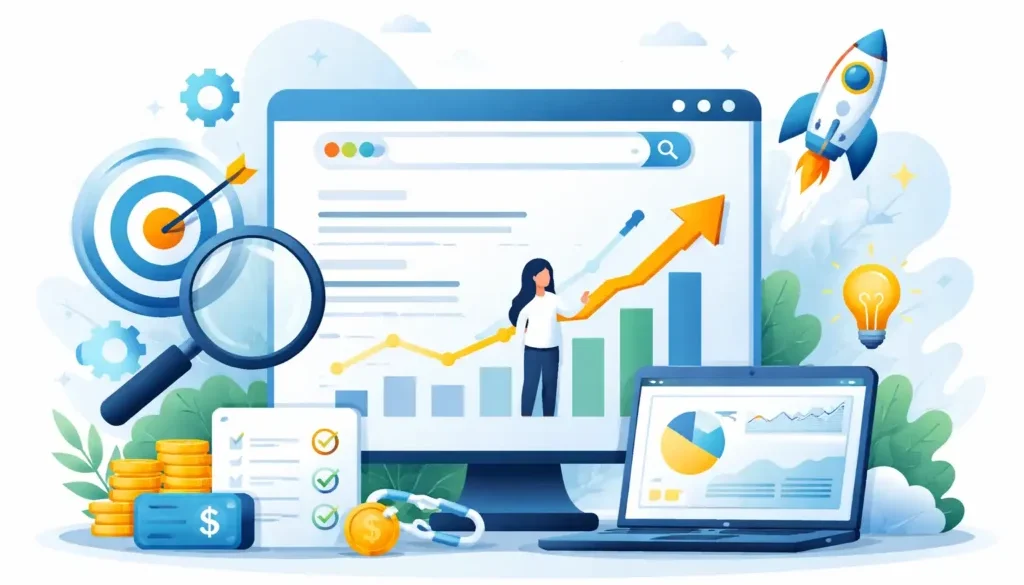
SEO exists to connect the right people with the right content at the right time — without paying for every click.
That’s it.
Search Engine Optimization helps your website get discovered naturally when someone searches for a problem, question, or need that you already have an answer for.
And no, SEO isn’t magic.
It’s patience + clarity + consistency.
The Core Purpose of SEO (From Real Experience)
1. SEO Helps People Find You Without You Chasing Them

Before SEO, traffic feels like begging.
After SEO, traffic feels like attraction.
Someone types a query on Google, your page shows up, they click, they read — no DM, no ads, no follow-ups.
That’s the real purpose of SEO:
Pull, don’t push.
2. SEO Builds Trust Without Saying “Trust Me”
Think about it.
When was the last time you trusted a website sitting on page 5?
Ranking well sends a silent signal:
-
This site is relevant
-
This content is useful
-
This brand is consistent
SEO works like reputation. You don’t announce it. You earn it.
3. SEO Is About Solving Problems, Not Gaming Algorithms
Early on, I made this mistake — writing for bots, stuffing keywords, chasing tricks. Didn’t work.
When I shifted focus to:
-
Clear answers
-
Natural language
-
Real examples
Traffic followed.
Search engines like Google don’t reward tricks anymore. They reward helpfulness.
So yes, the main purpose of SEO today is:
To be genuinely useful — at scale.
Purpose of SEO in Digital Marketing (The Bigger Picture)

SEO is no longer optional, and mastering it has become one of the core digital marketing skills for 2026 for anyone serious about online growth.
SEO isn’t isolated. It quietly supports everything else.
SEO + Content Marketing
Content without SEO = diary
Content with SEO = asset
SEO + Social Media
Social gives spikes
SEO gives stability
SEO + Paid Ads
Ads stop → traffic stops
SEO continues → traffic flows
That’s why SEO is the foundation, not the decoration.
Why SEO Is Important for Websites (Especially New Ones)
If you’re still unsure about the long-term value, this guide on why SEO is important explains how organic search builds trust, traffic, and authority over time.
If you’re starting fresh, SEO is not optional. It’s survival.
Here’s why:
-
You don’t have brand power yet
-
You don’t have ad budget forever
-
You need compounding traffic
SEO lets small sites compete with big brands topic by topic, not wallet by wallet.
That’s huge.
SEO Goals and Objectives (What SEO Is Actually Trying to Achieve)
For a practical breakdown of how SEO works in real scenarios, this guide on SEO basics explained offers a clear, beginner-friendly perspective. Let’s be clear. SEO goals are not just rankings.
Real SEO Objectives:
-
Increase relevant traffic
-
Improve content clarity
-
Reduce dependency on ads
-
Build long-term authority
-
Capture intent-based users
Everything else — keywords, links, tools — supports these goals.
Benefits of SEO for Business (Beyond Traffic)
From what I’ve seen, SEO gives businesses:
-
Lower customer acquisition cost
-
Better-educated leads
-
Long-term ROI
-
Brand recall
-
Market credibility
And the best part?
SEO assets age well. A good article written today can bring traffic for years.
What SEO Is NOT (Common Misunderstandings)
Let’s clear some confusion.
❌ SEO is not instant
❌ SEO is not a hack
❌ SEO is not keyword stuffing
❌ SEO is not only for bloggers
SEO is a system.
How Search Engines Think (In Simple Words)
If you want to understand SEO directly from the source, Google’s SEO starter guide clearly explains how search engines evaluate content, relevance, and user experience.
Search engines ask three things:
-
Is this content relevant?
-
Is it trustworthy?
-
Is it easy to understand?
Tools like Ahrefs or SEMrush help you measure things, but they don’t replace thinking.
SEO starts in the head, not the tool.
Local SEO Purpose (Very Important for Indian Businesses)

For local shops, clinics, service providers — SEO’s purpose is visibility nearby.
Someone searches:
-
“best shop near me”
-
“service in Durgapur”
-
“repair service nearby”
Local SEO puts you right there, at the moment of need.
SEO Purpose for Bloggers & Content Creators
For bloggers, SEO does three powerful things:
-
Validates content ideas
-
Brings consistent readers
-
Creates monetization paths
Without SEO, blogging feels like shouting into the void.
With SEO, blogging feels like building a library people actually visit.
On-Page vs Off-Page SEO (Purpose Difference)
On-Page SEO Purpose:
-
Make content understandable
-
Improve readability
-
Structure information
Off-Page SEO Purpose:
-
Build authority
-
Gain trust signals
-
Expand reach
Both matter, but on-page SEO comes first. Always.
SEO Purpose in 2026 and Beyond
Here’s my honest take.
SEO is moving towards:
-
Experience
-
Depth
-
Original insight
-
Human tone
AI can write content.
But only humans can add lived experience.
That’s where real SEO advantage lies now.
Final Thought: The Real Purpose of SEO (From Me)
SEO is not about pleasing search engines.
It’s about respecting the reader’s time, answering clearly, and showing up consistently.
Do that long enough, and rankings follow naturally.
That’s the SEO purpose I believe in — and the one that’s actually working.
FAQs About SEO Purpose
What is the main purpose of SEO?
The main purpose of SEO is to attract relevant organic traffic by solving real user queries without relying on paid ads.
Is SEO still worth it?
Yes. SEO compounds over time and delivers long-term traffic, trust, and ROI.
Can SEO work for small businesses?
Absolutely. SEO helps small businesses compete locally and niche-wise without massive budgets.
How long does SEO take to show results?
Usually 3–6 months, depending on competition, consistency, and content quality.
Is SEO only about Google?
Mostly yes, but good SEO helps across all search engines and even AI-driven discovery platforms.