
Digital Marketing Case Studies That Actually Teach You Something
Digital Marketing Case Studies:
When I first searched for digital marketing case studies, I felt cheated.
Most articles looked fancy. Big brands. Big numbers. Big words.
But deep down? They didn’t tell me what actually happened. No mistakes. No confusion. No “this didn’t work, so I changed it.”
Back then, I was running Peplio quietly, testing things after office hours, trying SEO tricks, content formats, social posts—half of them failed. Some worked in weird ways I didn’t expect.
That’s when I decided on something simple:
If I ever write digital marketing case studies, they won’t be perfect. They’ll be real.
This article is exactly that.
Not theory. Not guru gyaan.
Just experience-backed digital marketing case studies, explained like I’d explain them to a friend over cha.
What are digital marketing case studies?
Digital marketing case studies are real stories of what was tried, what worked, what failed, and why—using online marketing channels like SEO, social media, content, ads, or branding.
Not definitions.
Not promises.
Stories with scars.
A good case study answers questions like:
-
What was the starting point?
-
What exact steps were taken?
-
What didn’t work?
-
What changed after learning from mistakes?
-
What were the results (even if small)?
Most online marketing success stories skip the messy middle.
That’s the most important part.
Why digital marketing case studies matter more than courses
Unlike textbook examples, real-world marketing case studies show how strategies perform under real constraints, changing audiences, and shifting platforms.
Here’s my honest opinion—you can disagree.
Courses teach how things should work.
Case studies show how things actually work.
When I tested ideas on Peplio, I noticed something:
-
Same strategy
-
Same tools
-
Different results
Why? Because context matters.
Industry, audience, timing, consistency, budget—everything changes the outcome.
That’s why marketing case study analysis is more useful than any checklist.
My rule for judging a real digital marketing case study
Before trusting any case study, I ask three questions:
-
Does it mention a mistake or failure?
-
Does it show small wins before big wins?
-
Can I imagine a real human doing this work daily?
If all three are missing, I move on.
That rule also shaped how I wrote my own case studies on Peplio.
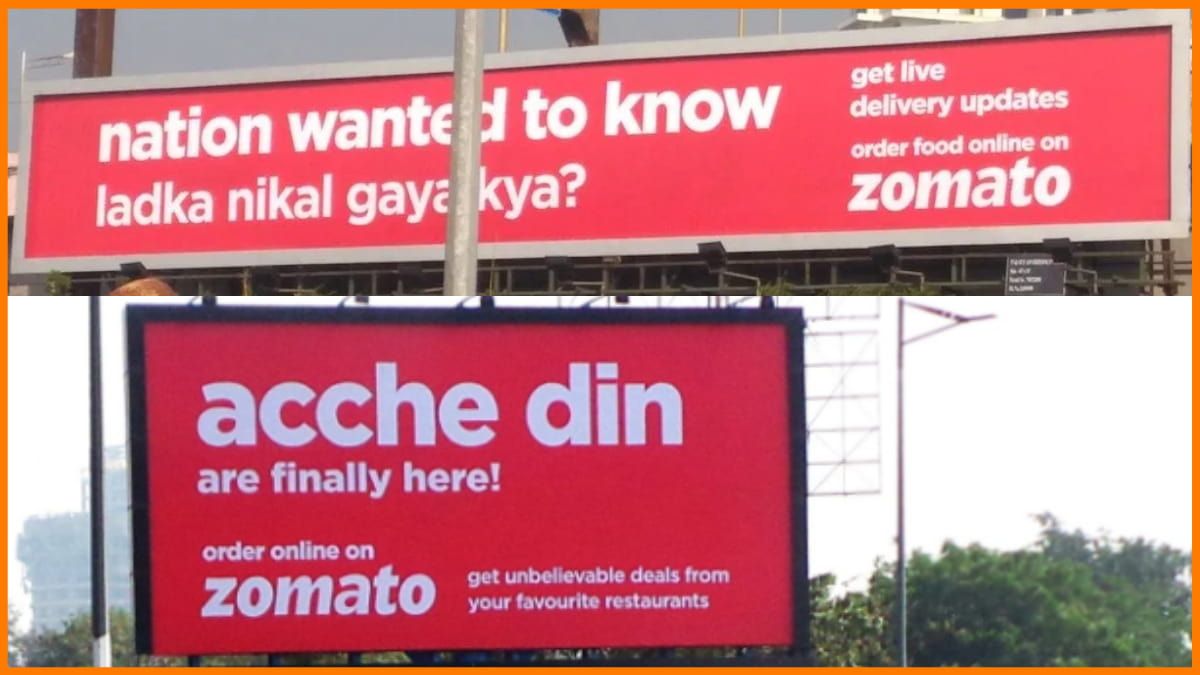
Case Study 1: Zomato — Growth strategy beyond discounts

👉 Read the full case study here:
Why I chose Zomato as a digital marketing case study
I didn’t choose Zomato because it’s big.
I chose it because people assume Zomato grew only because of discounts.
That’s wrong.
While studying Zomato’s journey, I noticed three powerful digital marketing lessons:
-
Content + convenience beat pure ads
-
Brand voice matters more than logo design
-
Habit-building is stronger than short-term offers
Key digital marketing takeaways from Zomato
-
Push notifications weren’t random. They were emotional and timely.
-
App UX reduced thinking. Less thinking = more orders.
-
Social media tone felt human, sometimes sarcastic, sometimes warm.
One thing that surprised me?
Zomato didn’t always chase perfection. Some campaigns were risky—and that risk built recall.
That’s a lesson most brands avoid.
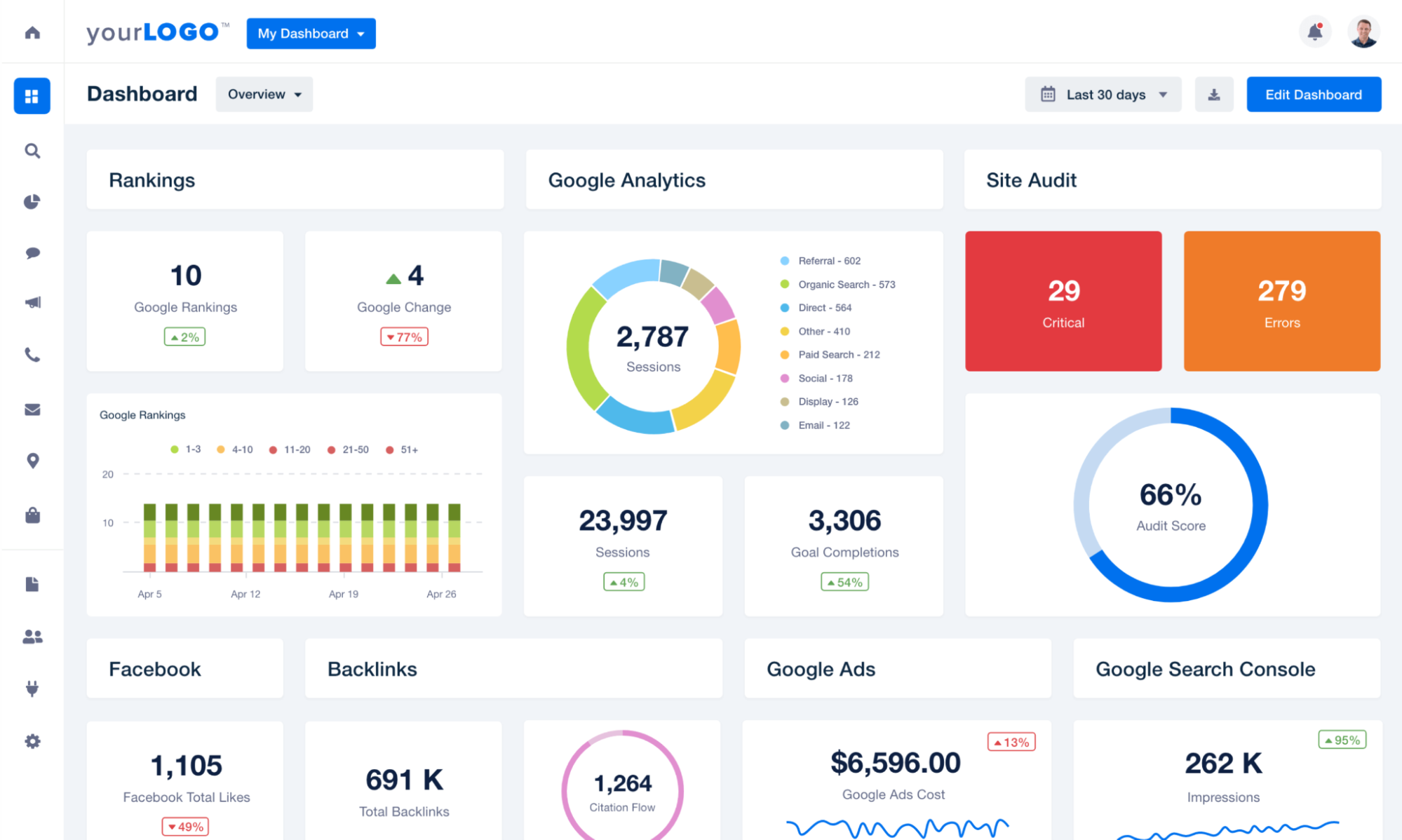
Case Study 2: B2B Digital Marketing at Demech Chemical (real industrial ground reality)

👉 Read the full case study here:
Why this B2B digital marketing case study is close to me
This one isn’t theory.
This is where I worked. Tested. Failed. Fixed. Over time, I realized that content-led growth strategies work best when combined with patience, clear positioning, and consistent execution.
When I started handling digital marketing for Demech Chemical, the challenge was clear:
“Industrial buyers don’t come from Instagram reels.”
Partly true. Mostly outdated.
What actually worked (and what didn’t)
Didn’t work initially:
-
Generic SEO blogs
-
Over-technical product descriptions
-
Copy-paste LinkedIn posts
Worked after experimentation:
-
Problem-based content (corrosion, leakage, surface damage)
-
Visual explanations instead of heavy text
-
Long-term SEO patience (this hurt mentally)
One mistake I personally made?
I expected quick B2B leads from content.
Reality check:
B2B digital marketing rewards consistency, not speed.
This case study changed how I look at online marketing success stories forever.
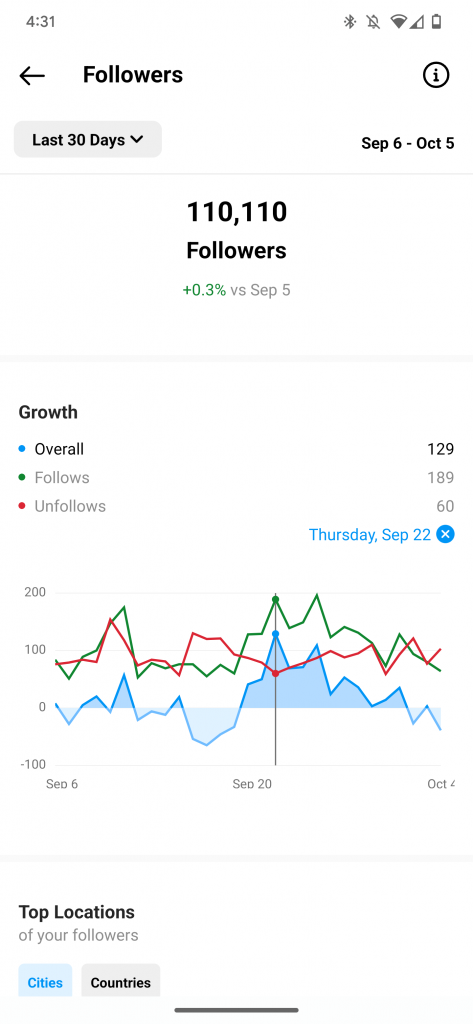
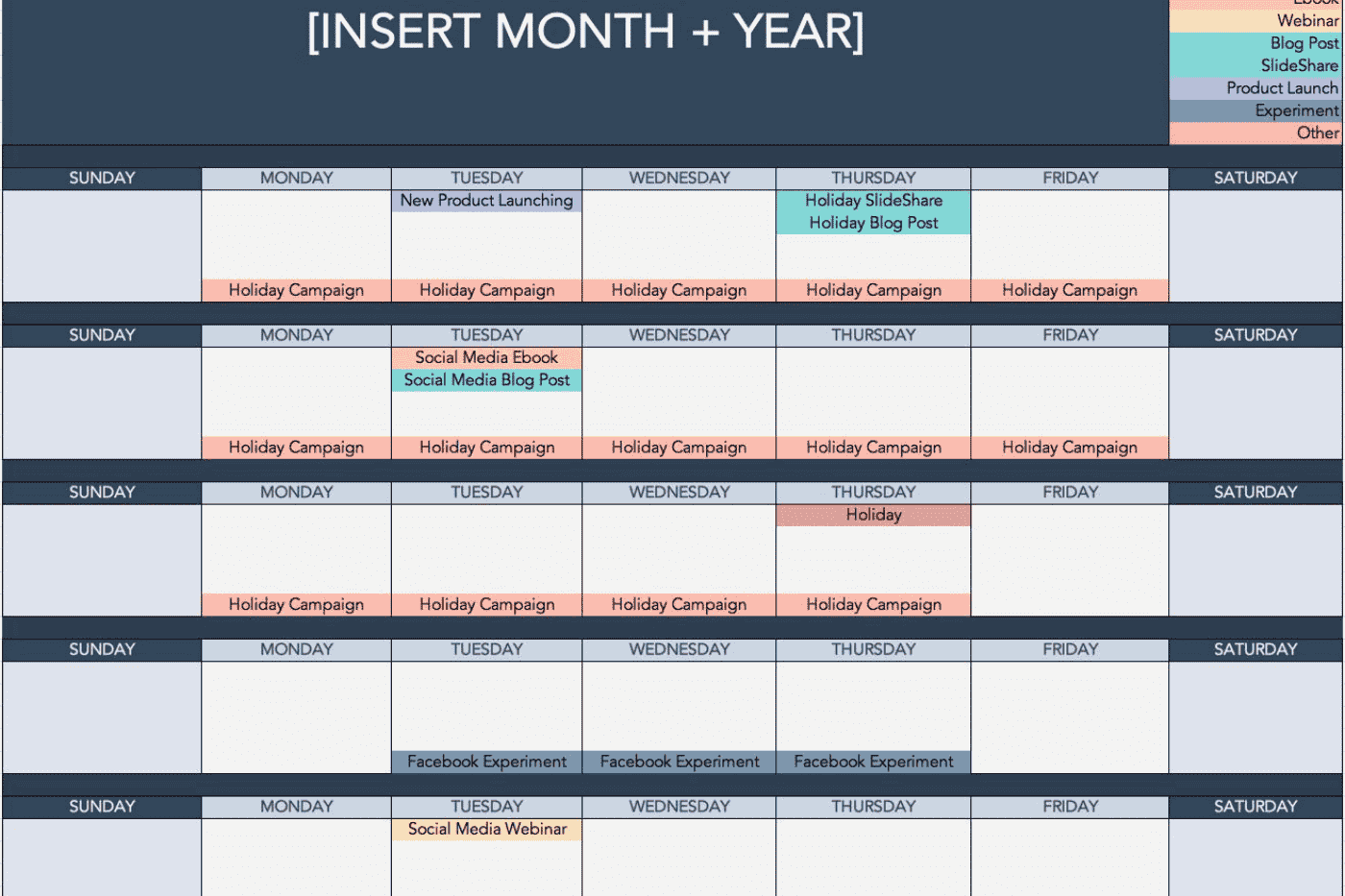
Case Study 3: Growing social media from 0 to 600 followers without ads

👉 Read the full case study here:
Why I even tried this experiment
Honestly?
I was tired of hearing: “Organic growth is dead.”
So I tested it myself.
No ads.
No boosts.
No shoutouts.
The experiment rules
-
One platform
-
Consistent posting
-
Clear content theme
-
Zero paid promotion
What moved the needle
-
Storytelling > aesthetics
-
Relatable pain points > motivational quotes
-
Comments mattered more than likes
The biggest surprise?
When I stopped trying to look “professional,” engagement increased.
That lesson now influences how I approach every digital marketing case study I write.
What all these digital marketing case studies have in common
Across Zomato, Demech Chemical, and my social media experiment, I noticed patterns:
| Element | Observed Reality |
|---|---|
| Speed | Growth was slow at first |
| Content | Problem-first always won |
| Consistency | More powerful than hacks |
| Branding | Tone mattered more than design |
| Data | Useful only when acted upon |
No viral miracles.
No overnight success.
Just steady digital marketing done right.
Step-by-step: How to create your own digital marketing case study
If you want to build authority (or even clients), here’s how I’d do it again:
Step 1: Start with the problem, not the brand
Nobody cares about your tools.
They care about pain.
Step 2: Document actions weekly
Even failed actions matter later.
Step 3: Capture small metrics
Traffic, replies, impressions—don’t wait for “big numbers.”
Step 4: Share mistakes openly
This builds trust faster than success screenshots.
Step 5: Write like you speak
If it sounds robotic, rewrite it.
This is exactly how Peplio’s case studies were shaped.
Common mistakes I see in digital marketing case studies
Let’s call them out:
-
Only showing wins
-
Hiding timelines
-
Copying famous brands blindly
-
Ignoring context
-
Writing for ego, not learning
I made some of these mistakes early.
Fixing them improved not just content—but clarity.
My personal takeaway after writing multiple marketing case studies
Digital marketing case studies aren’t about proving you’re smart.
They’re about proving you’re honest.
When I stopped trying to impress and started documenting reality, things changed:
-
Readers stayed longer
-
People trusted faster
-
SEO improved naturally
That’s why Peplio focuses on experience-backed blogging, not motivational fluff.
FAQ: Digital Marketing Case Studies
1. What makes a digital marketing case study effective?
Real data, mistakes, clear steps, and honest outcomes.
2. Are small case studies valuable?
Yes. Small experiments are more relatable and practical.
3. Can beginners create marketing case studies?
Absolutely. Starting from zero is the best story.
4. How long should a case study be?
Long enough to explain the journey. Length follows value.
5. Do case studies help SEO?
Yes—especially when they’re original and experience-based.
6. Should I include failures in case studies?
Always. Failures build credibility.
7. Why are real digital marketing examples better than theory?
Because real-world constraints change everything.
Final thought (not a conclusion)
If you’re searching for digital marketing case studies hoping for shortcuts, you’ll be disappointed.
But if you’re looking for clarity, direction, and confidence, real case studies will quietly change how you work.
That’s what happened to me.
And that’s why I keep building, testing, and documenting everything through Peplio.
Slowly. Honestly. One experiment at a time.