Samsung AI Boom Strike: Inside the AI Crisis Creating Deep Divisions at Samsung in 2026
The global AI boom is helping tech giants grow fast, but inside Samsung, the pressure is creating serious workforce tensions.
Inside This Article
- ✓ Samsung AI boom strike explained
- ✓ Why Samsung workers are frustrated
- ✓ AI pressure inside semiconductor divisions
- ✓ Real business impact of the AI boom
- ✓ What this means for the future of tech companies
- ✓ Peplio founder perspective on AI workplace pressure
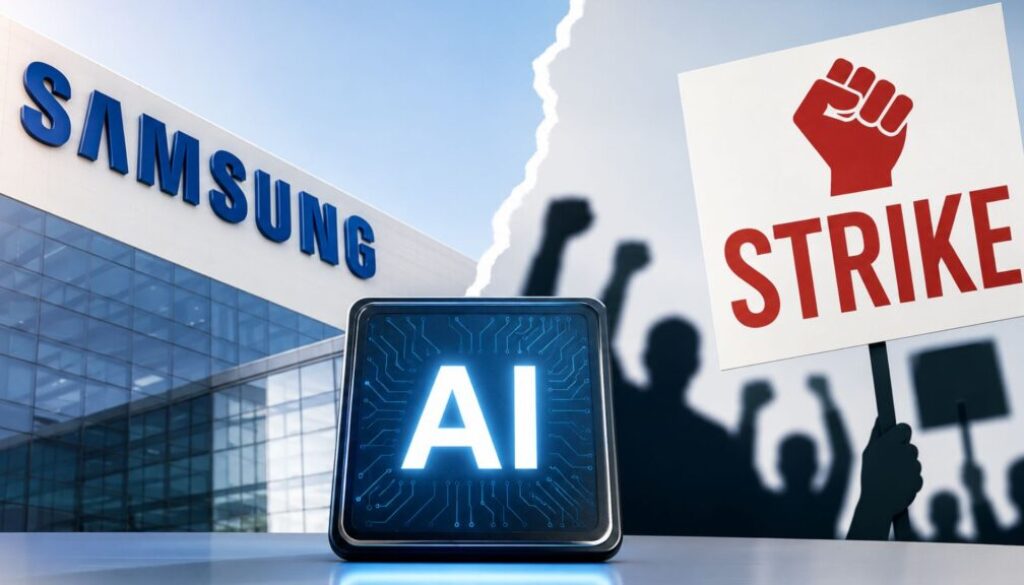
I never thought a company as massive as Samsung would become one of the biggest examples of how the global AI race is changing workplace culture forever. But after reading reports from The Hindu, Reuters, and global business publications, I realized something important: The Samsung AI boom strike is not just a labor issue. It is a warning sign for the entire tech industry.
Today, every company wants AI. Every CEO wants faster automation. Every investor wants explosive AI growth. But behind that growth? Real employees are feeling pressure, division, burnout, and fear. As someone building Peplio while constantly studying AI trends, I can honestly say this story feels bigger than Samsung itself. This is about what happens when companies move too fast during an AI gold rush.
Samsung AI Boom Strike: What Actually Happened?
The Samsung AI boom strike started gaining attention after reports revealed growing tensions between management and workers inside Samsung’s semiconductor and AI-related divisions. According to reporting from Reuters, employee unions accused Samsung of failing to properly address wage concerns, workload pressure, and communication problems during the company’s aggressive AI expansion. This matters because Samsung is currently fighting one of the most important battles in the global AI economy:
- AI chips
- Memory semiconductor dominance
- Advanced data center hardware
- AI smartphone leadership
- Global AI infrastructure growth
In simple words: Samsung wants to become one of the biggest winners of the global AI boom. But inside the company, workers reportedly feel the pressure is becoming extreme. That is why terms like Samsung AI crisis and Samsung AI strike are now trending across business media.
The Global AI Boom Is Creating Company Conflicts Everywhere
Honestly, this is something many people are ignoring. The AI revolution looks exciting on YouTube thumbnails and LinkedIn posts. But inside companies, the story is becoming much more complicated. The phrase AI boom causing company conflicts is becoming more real every month. Why? Because companies are trying to move faster than human systems can handle. At Samsung, workers reportedly faced:
- Heavy performance expectations
- Pressure during semiconductor competition
- Fear about AI-driven restructuring
- Communication gaps with leadership
- Concerns about compensation
And honestly? I believe this will happen in many tech companies over the next few years. At Peplio, even while managing digital marketing workflows, I can already see how AI changes team expectations. People suddenly expect faster results, faster content, faster research, faster campaigns. Now imagine that pressure inside a trillion-dollar semiconductor race.
Why Samsung’s AI Division Matters So Much
The reason this Samsung AI boom strike became global news is because Samsung sits at the center of the AI hardware war. Most people think AI is only ChatGPT or Gemini. But behind every AI tool are physical systems:
- AI chips
- Memory units
- Servers
- Cooling infrastructure
- Semiconductor fabs
Samsung is deeply involved in this ecosystem. According to data from Statista, the global AI semiconductor market is expected to grow massively throughout 2026 and beyond. That means Samsung employees are not simply working in a normal electronics business anymore. They are working in one of the most competitive industries on Earth. This is why the Samsung workers vs AI expansion narrative is becoming so important.
The Human Side Nobody Talks About
One thing I hate about modern AI discussions is that many articles treat workers like statistics. But behind every “AI boom” headline are real people. Someone is working overtime. Someone is stressed. Someone is afraid their role may disappear. Someone is trying to hit impossible targets. That is the hidden side of the Samsung AI crisis. The AI economy creates incredible opportunities, yes. But it also creates massive uncertainty. I personally believe the future winners in AI will not only be the fastest companies. They will be the companies that manage human pressure properly. Because eventually, burnout becomes expensive. Internal division becomes expensive. Strikes become expensive.
Samsung AI Strike and the Semiconductor War
The semiconductor industry is currently under enormous pressure globally. Companies like:
- NVIDIA
- TSMC
- Intel
- Samsung
- AMD
are fighting for AI dominance. Samsung especially wants stronger positioning in high-bandwidth memory chips used for AI systems. But the race is expensive. Extremely expensive. According to McKinsey & Company, AI infrastructure investments are growing at record speed globally. That means companies are demanding more productivity internally. This pressure is one of the biggest reasons the Samsung AI strike became such a serious issue.
My Personal Reality Check as a Peplio Founder
When I started Peplio, I thought AI would mainly make life easier. And yes, in many ways it does. AI helps me:
- Research faster
- Brainstorm faster
- Create workflows faster
- Analyze SEO trends faster
But over time, I also noticed something dangerous. The internet now expects everything instantly. Instant articles. Instant answers. Instant creativity. Instant marketing growth. That expectation creates pressure everywhere. So when I read about the Samsung AI boom strike, honestly, it didn’t surprise me. It felt like a preview of what many industries may experience next.
AI Companies Need a Better Balance
Right now, the global AI race feels almost like a digital gold rush. Every company fears being left behind. That fear creates aggressive expansion. And aggressive expansion creates workplace tension. I think companies need to remember something important:
AI systems may scale quickly, but humans still have emotional limits.
This is where many tech companies may fail in the future. Not because they lack AI technology. But because they fail to manage people correctly.
What This Means for the Future of Tech Jobs
The Samsung AI crisis is also changing how workers think about tech careers. For years, big tech jobs looked stable and glamorous. Now many employees are asking:
- Will AI increase workload?
- Will AI reduce job security?
- Will companies prioritize investors over workers?
- Will performance expectations become impossible?
These are serious questions. And honestly, I believe this conversation will only grow bigger after the Samsung situation.
Peplio Perspective: The Future Should Be Human + AI
At Peplio, I personally don’t believe AI should replace human creativity completely. I believe the best future is: Human thinking + AI efficiency. That combination creates sustainable growth. This is why I focus heavily on:
- Strategic storytelling
- Human-style SEO writing
- Brand personality
- Real founder perspectives
- Emotion-driven content
Because AI alone cannot build trust. And trust is becoming the most valuable currency online. If you want to understand how AI is changing search and digital growth, you can also read my detailed analysis here: How to Rank in Google AI Overview in the USA
Will Samsung Recover From This AI Conflict?
Most likely, yes. Samsung is still one of the biggest technology companies in the world. But the bigger question is not about Samsung alone. The real question is: Will the global AI industry learn from this? Because if companies continue pushing growth without balancing human realities, more workplace conflicts may happen across the tech sector. The Samsung AI boom strike could eventually become one of the defining warning signs of the early AI economy.
Final Thoughts on the Samsung AI Boom Strike
The global AI revolution is exciting. There is no doubt about that. But stories like the Samsung AI strike remind us that rapid innovation always comes with consequences. Technology changes fast. Humans do not. As someone building Peplio while constantly studying SEO, AI, and digital business trends, I believe the future winners will not simply be the companies with the most AI power. The real winners will be the companies that balance:
- Innovation
- Human sustainability
- Employee trust
- Long-term vision
Because eventually, even the biggest AI boom can create deep internal cracks if people feel left behind. And honestly? That may be the biggest lesson from the entire Samsung AI crisis.
Frequently Asked Questions
What is the Samsung AI boom strike?
The Samsung AI boom strike refers to labor tensions and worker concerns linked to Samsung’s aggressive AI and semiconductor expansion efforts during the global AI boom.
Why are Samsung workers protesting?
Reports suggest workers raised concerns about workload pressure, compensation issues, and communication problems during Samsung’s rapid AI-related business growth.
How is AI causing company conflicts?
AI expansion often increases productivity expectations, restructuring pressure, and workplace stress, leading to tensions between management and employees.
Why is Samsung important in the AI industry?
Samsung plays a major role in AI hardware, especially memory chips and semiconductor technologies used in AI systems worldwide.